
Top AC Installation Company Oak Ridge




Our Partners
Lorem ipsum dolor sit amet, consectetur adipiscing elit. Ut elit tellus, luctus nec ullamcorper mattis, pulvinar dapibus leo. sint occaecat cupidatat.
Lorem ipsum dolor sit amet, consectetur adipiscing elit. Ut elit tellus, luctus nec ullamcorper mattis, pulvinar dapibus leo. sint occaecat cupidatat proident
Affordable
Lorem ipsum dolor sit amet, consectetur.
Professional
Lorem ipsum dolor sit amet, consectetur cupidatat.
High Quality
Lorem ipsum dolor sit amet, consectetur.
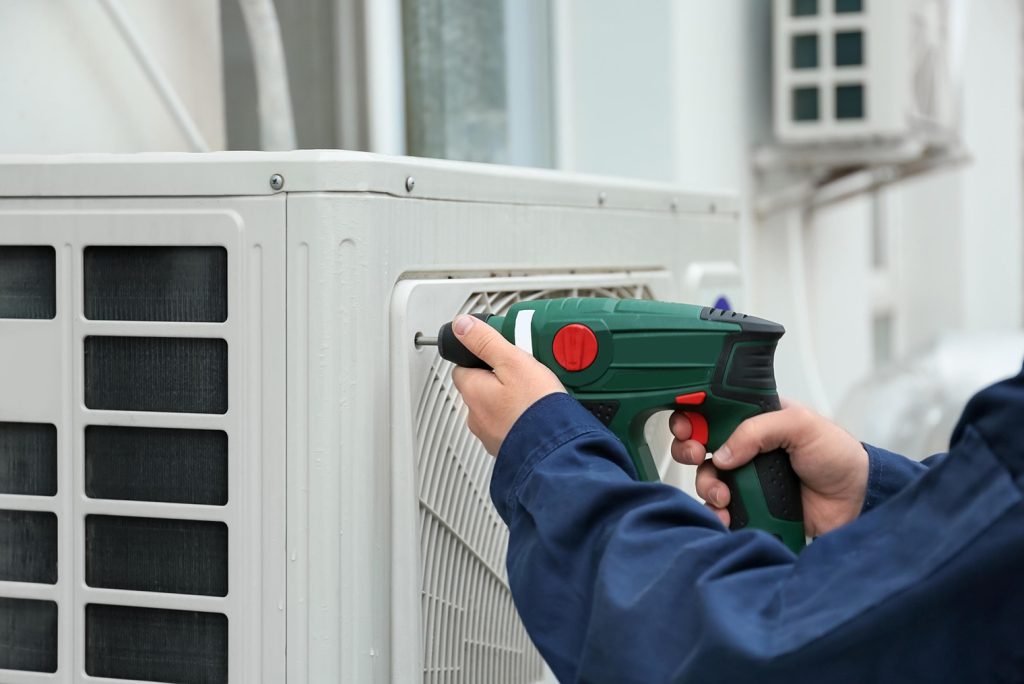
Lorem ipsum dolor sit amet, consectetur adipiscing elit. Ut elit tellus, luctus nec ullamcorper mattis, pulvinar dapibus leo.
- in voluptate velit esse
- excepteur sint occaecat
- cupidatat non proident
- enim ad minima veniam
- in voluptate velit esse
- excepteur sint occaecat
- cupidatat non proident
- enim ad minima veniam
We Are Here To Help You.
Lorem ipsum dolor sit amet, consectetur adipiscing elit. Ut elit tellus, luctus nec ullamcorper mattis.
Locations
Areas Served
Central air conditioning installation is a complex process that requires expertise and precision for seamless operation. This comprehensive guide will walk you through the key steps involved in the process and provide helpful tips to ensure a successful installation.
Understanding Oak Ridge AC Repair Systems
Central air conditioning systems work by circulating cool air through a network of ducts and registers. Unlike individual room air conditioners, these systems cool the entire building at once. They comprise two main components: an outdoor unit that houses the compressor and condenser, and an indoor unit that contains the evaporator and air handler.
Finding the Right Air Conditioning Repair in Oak Ridge
The success of your central air conditioning installation begins with selecting the right unit. Consider the following factors:
- Size: The size of the AC unit should be based on the total square footage of your building. A unit that’s too small won’t sufficiently cool your building, while one that’s too large will cause unnecessary energy consumption.
- Energy Efficiency: Look for a unit with a high Seasonal Energy Efficiency Ratio (SEER). The higher the SEER rating, the more energy-efficient the unit is.
- Noise Level: AC units with a lower decibel (dB) rating will operate more quietly.
Preparing for HVAC Installation in Oak Ridge
Preparation is a crucial part of the installation process. Ensure the following:
- Ductwork: Ensure that your ductwork is in good condition. It should be properly sealed and insulated to prevent air leaks.
- Electrical System: Your electrical system should be capable of handling the load of the new AC unit.
- Installation Site: The outdoor unit should be placed on a level surface in a location that allows for adequate airflow.
Understanding the Process of AC Repair in Oak Ridge FL
Central air conditioning installation is typically carried out by professionals. Here’s a simplified overview of what they do:
- Install the Indoor Unit: The air handler and evaporator coil are installed in a central location.
- Install the Outdoor Unit: The condenser and compressor are placed in the pre-determined location.
- Connect the Units: Refrigerant lines are run between the indoor and outdoor units.
- Connect to Ductwork: The air handler is connected to the existing ductwork.
- Install the Thermostat: A programmable thermostat is installed and connected to the system.
- Test the System: The newly installed system is tested to ensure it’s working properly.
Maintaining Your Air Conditioning in Oak Ridge After Installation
Once the installation is complete, regular maintenance is key to ensure your central air conditioning system is running efficiently. This includes changing air filters every three months, routine cleaning of the ductwork, and regular professional inspections.
Remember that central air conditioning installation is a significant investment. Thus, it’s important to hire experienced professionals who can do the job right, ensuring you a cool and comfortable environment for years to come.## Ensuring Safe AC Services During the Coronavirus Pandemic
As the Coronavirus pandemic continues to persist, ensuring health and safety has become a top priority in all sectors, including the AC repair and maintenance industry. As homeowners and businesses continue to require air conditioning services, it’s crucial that these tasks are carried out in the safest way possible to prevent the spread of the virus. Here are some practices and measures that can be adopted to ensure safety during AC services in the midst of the pandemic.
Exploring Air Conditioning Companies in Oak Ridge
One of the primary ways to prevent the spread of the virus is through social distancing. During AC service appointments, technicians should maintain at least six feet of distance from customers. It is also necessary to limit the number of technicians working on a single project, if possible. This can help in minimizing contact and maintaining a safe distance.
Air Conditioner Repair in Oak Ridge
Technicians should wear personal protective equipment (PPE) when servicing air conditioning systems. This includes gloves, masks, and eye protection. These safety measures can help prevent the spread of the virus, especially in situations where social distancing may not be achievable.
AC Installation Procedures in Oak Ridge
Before and after servicing an AC unit, technicians should sanitize their tools and the work area. Disinfectant sprays or wipes can be used to clean tools, while hand sanitizer should be used frequently, especially after touching potentially contaminated surfaces.
HVAC Repair Services in Oak Ridge
To limit contact, companies can introduce online payments and paperless invoicing systems. This not only reduces the risk of virus transmission through physical cash or checks, but it also makes transactions more convenient for customers.
Top AC Companies in Oak Ridge Offering Virtual Consultations
For non-emergency consultations, virtual appointments can be a safer alternative. Technicians can guide customers through video calls to troubleshoot minor issues, reducing the need for in-person visits.
Oak Ridge Air Conditioning Repair Services
Regular health screenings for technicians can also play a critical role in ensuring safe AC services during the pandemic. Technicians who are unwell should be encouraged to stay home and not risk spreading the virus to customers.
The Coronavirus pandemic has indeed imposed a new normal, affecting the ways in which we carry out daily routines and professional tasks. But, by implementing these safety measures and adapting to this new normal, AC service companies can continue to provide their essential services while ensuring the safety of both their technicians and customers. As we navigate through these challenging times, let’s remember to prioritize safety and health above all else.## Expert Advice on Air Conditioner Installation for Single Units and Entire Buildings
Air conditioning is no longer a luxury but a necessity in both residential and commercial settings. To ensure that you get the best cooling solutions, it’s important to understand the basics of air conditioner installation. Whether you consider installing a single unit or an entire building, the following expert advice will help you make the best decisions.
Exploring HVAC Companies in Oak Ridge
The first step to successful air conditioner installation is determining the system type. Different types of air conditioning systems are suitable for different needs, and they include:
- Central Air Conditioning: These systems provide cooling for entire buildings via a series of ducts and vents. They are suitable for large buildings since they can cool many rooms simultaneously.
- Split Systems: These comprise an indoor unit that connects to an outdoor unit via refrigerant lines. They are ideal for cooling single rooms or spaces.
- Ductless Mini-Splits: They function similarly to split systems but without ductwork. They are perfect for buildings without existing ducts and for cooling individual rooms.
Calculating the Correct Size
Another crucial aspect when installing air conditioning units is sizing. An improperly sized air conditioner can result in poor efficiency, higher energy costs, and reduced equipment lifespan. To calculate the correct size:
- For single units: Use the square footage of the room. You can refer to BTU (British Thermal Units) charts that suggest the right cooling capacity based on room size.
- For entire buildings: A load calculation is required, considering factors like building size, number of windows, insulation levels, and more. An HVAC professional can provide a precise load calculation.
Professional Installation
Whether you’re installing a single unit or an entire building, ensuring professional installation is key. A professional HVAC installer will not only correctly size and install the system but also ensure that it adheres to local and national building codes.
Here are a few reasons why professional installation is recommended: – Certified technicians possess the right skills and experience. – They can diagnose and address potential issues. – Professional installation ensures maximum efficiency and lifespan of the units. – Professionals can provide valuable advice on maintenance and energy-saving practices.
Regular Maintenance
Post-installation, regular maintenance plays a crucial role in the efficiency and lifespan of air conditioning units. This includes routine cleaning, filter replacement, regular inspections, and prompt repairs. A well-maintained air conditioner will function more efficiently, save on energy costs, and last longer.
Understanding the basics of air conditioner installation is the first step to enjoying efficient cooling in your home or office. Remember, whether it’s a single unit or an entire building, professional installation and regular maintenance are key to an effective and durable air conditioning system.## Insights into Heating and AC Installation: From Residential to Commercial Needs
Heating, Ventilation, and Air Conditioning (HVAC) systems are an integral part of both residential and commercial properties. Their installation and maintenance are crucial in providing a safe and comfortable environment. Here, we focus on the essential insights to understand the difference and similarities in installing HVAC systems for residential and commercial needs.
Residential HVAC Installation
Residential HVAC systems are typically smaller and less complex than commercial ones. The primary purpose is to provide heating or cooling to a single-family home or small multi-unit buildings. The major aspects to consider are:
- System Size: The size of the HVAC system should be appropriate for the house. A too-large system cycles on and off frequently, reducing its lifespan. Conversely, a too-small system struggles to maintain the desired temperature, leading to higher energy consumption.
- Energy Efficiency: Residential HVAC systems should have a high Seasonal Energy Efficiency Ratio (SEER). The higher the SEER rating, the more energy-efficient the unit is, leading to lower utility bills.
- Installation Site: The most common residential HVAC systems are split systems, with an outdoor unit (condenser and compressor) and an indoor unit (air handler and evaporator coil). The installation site should be clean, stable, and well-ventilated.
Commercial HVAC Installation
Commercial HVAC systems are more complex due to the larger areas they cover and the different zones they need to heat or cool. Some key aspects to consider in commercial installations include:
- Scalability: Commercial buildings can expand or change their layout over time. Therefore, the HVAC system should be scalable to accommodate these changes.
- Zoning: Zoning control is essential in commercial buildings to regulate the temperature in different areas. It also helps in saving energy by limiting cooling or heating to occupied zones.
- Maintenance: Commercial HVAC systems are typically modular, making them easier to maintain and repair. However, they require regular professional maintenance to ensure optimal operation.
Similarities and Differences
Both residential and commercial HVAC installations aim to provide a comfortable indoor environment, but they differ significantly in scope, complexity, and cost. Similarities include the need for energy efficiency, well-ventilated installation sites, and regular maintenance.
However, differences are more pronounced. Commercial HVAC systems are larger, more complex, and often require custom design and installation. They also have more stringent regulations and standards to follow due to the larger number of occupants in commercial buildings.
It’s crucial to work with professional HVAC installers who can guide you through the process of selecting and installing the right system for your needs. Whether it’s for a small home or a large commercial building, a well-installed and maintained HVAC system contributes significantly to the comfort and health of its occupants.## Central Air Conditioning and Heating: Key to Comprehensive Building Cooling and Heating Solutions
Central air conditioning and heating systems, also known as HVAC (Heating, Ventilation, and Air Conditioning) systems, are becoming increasingly popular in both residential and commercial settings. These systems are fundamental to creating comfortable, controlled indoor environments in all seasons.
Key Features of Central Air Conditioning and Heating Systems
There are numerous advantages to installing a central air conditioning and heating system. Here are a few key features that make these systems attractive:
- Uniform Temperature: Central HVAC systems provide uniform temperature control throughout the building, eliminating hot or cold spots.
- Improved Air Quality: These systems come with advanced air filters that help to remove airborne allergens and pollutants, improving indoor air quality.
- Noise Reduction: Unlike window units, central cooling and heating systems are much quieter, as the main units are typically installed outside the building.
- Energy Efficiency: Modern central HVAC systems are designed to be energy-efficient, helping to reduce energy bills.
- Increased Property Value: A central air conditioning and heating system can increase the value of the property, making it a worthwhile investment.
Components of Central Air Conditioning and Heating Systems
A central air conditioning and heating system comprises several key components, including:
- Evaporator Coil: Located inside the air handler or furnace, the evaporator coil cools and condenses the air by evaporating refrigerant.
- Blower: This component moves the air cooled by the evaporator coil into the ducts.
- Condensing Unit: Positioned outside the building, the condensing unit exchanges heat with the outside air.
- Thermostat: This device controls the temperature by regulating the operation of the HVAC system based on the desired settings.
Selection and Installation
When selecting a central air conditioning and heating system for a building, it’s important to consider the size, layout, insulation level, and local climate. A professional HVAC contractor can carry out a thorough assessment and recommend the most suitable system to meet your requirements.
Proper installation is crucial to the performance and longevity of the system. Incorrect installation can lead to inefficient operation, frequent breakdowns, and a shortened lifespan. Furthermore, the ductwork must be installed and sealed properly to prevent energy losses.
Maintenance of Central Air Conditioning and Heating Systems
Regular maintenance is essential to keep a central air conditioning and heating system running smoothly. It’s recommended to have a professional HVAC technician perform routine maintenance at least once a year. Some key maintenance tasks include:
- Filter Change: Air filters should be replaced as per manufacturer’s instructions to ensure optimal air quality.
- System Check: The technician will check all components of the system, including the thermostat, blower, evaporator coil, and condensing unit.
- Cleaning: The system should be cleaned regularly to remove dust and debris, which can hinder performance.
- Repair: Any necessary repairs should be carried out promptly to prevent further damage to the system.
With proper selection, installation, and maintenance, a central air conditioning and heating system can provide a comprehensive solution for building cooling and heating needs. It offers a comfortable indoor environment and substantial energy savings, making it an attractive investment for property owners.