
Top AC Installation Company Winter Park




Our Partners
Lorem ipsum dolor sit amet, consectetur adipiscing elit. Ut elit tellus, luctus nec ullamcorper mattis, pulvinar dapibus leo. sint occaecat cupidatat.
Lorem ipsum dolor sit amet, consectetur adipiscing elit. Ut elit tellus, luctus nec ullamcorper mattis, pulvinar dapibus leo. sint occaecat cupidatat proident
Affordable
Lorem ipsum dolor sit amet, consectetur.
Professional
Lorem ipsum dolor sit amet, consectetur cupidatat.
High Quality
Lorem ipsum dolor sit amet, consectetur.
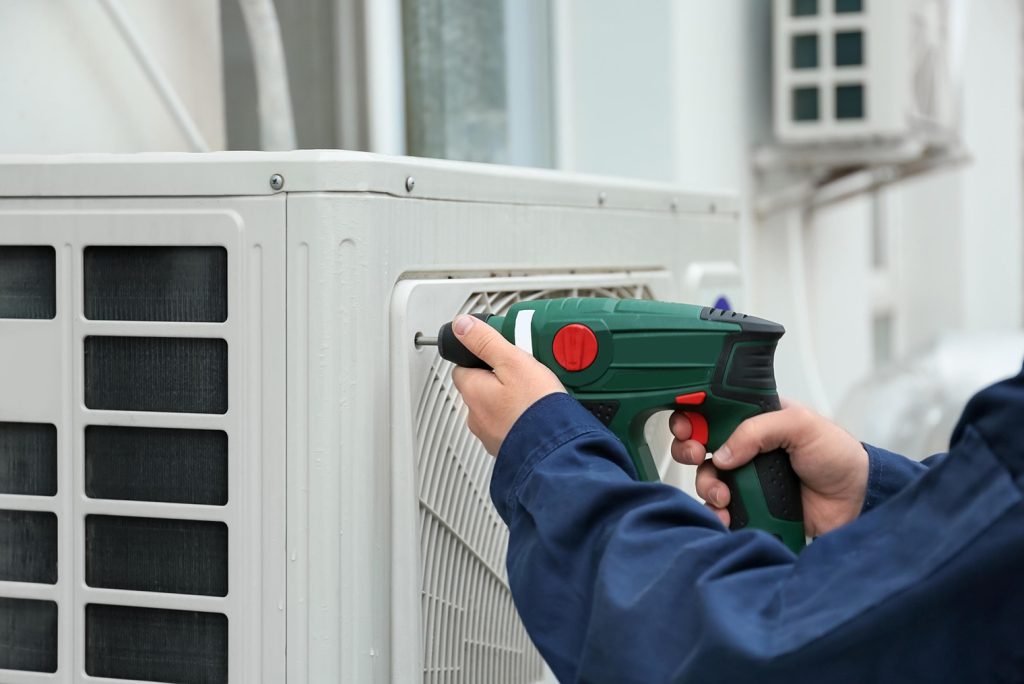
Lorem ipsum dolor sit amet, consectetur adipiscing elit. Ut elit tellus, luctus nec ullamcorper mattis, pulvinar dapibus leo.
- in voluptate velit esse
- excepteur sint occaecat
- cupidatat non proident
- enim ad minima veniam
- in voluptate velit esse
- excepteur sint occaecat
- cupidatat non proident
- enim ad minima veniam
We Are Here To Help You.
Lorem ipsum dolor sit amet, consectetur adipiscing elit. Ut elit tellus, luctus nec ullamcorper mattis.
Locations
Areas Served
Air conditioners require regular maintenance to ensure they perform optimally. An AC tune-up typically involves checking and adjusting several components of the unit. Understanding these components can help you grasp the importance of regular AC tune-ups.
Exploring Air Conditioning in Winter Park
The air filter is a crucial component that ensures your air conditioner delivers clean, fresh air. During a tune-up, the technician will check the condition of the air filter and replace it if necessary. A clean air filter improves the efficiency of your air conditioner and extends its lifespan.
Top Air Conditioning Companies in Winter Park
The thermostat is the control center of your air conditioner. It regulates the temperature in your home by controlling the amount of cool air your AC unit produces. During a tune-up, the technician will ensure the thermostat is correctly calibrated and functioning optimally.
Air Conditioner Repair in Winter Park: A Comprehensive Guide
The condenser and evaporator coils play a significant role in the cooling process. They might collect dirt over time, which can reduce the efficiency of your AC unit. An AC tune-up includes thorough cleaning of these coils to ensure they can effectively dissipate heat.
Ac Installation in Winter Park: A Comprehensive Guide
The blower motor and fan are responsible for distributing cool air throughout your home. If they are not functioning properly, your AC unit may not cool your home effectively. During a tune-up, the technician will check the condition of the blower motor and fan and adjust them if necessary.
HVAC Repair in Winter Park: Your Ultimate Solution
A clogged drain line can cause your AC unit to leak, resulting in water damage in your home. The technician will check the condition of the drain line during a tune-up and clean it if necessary to ensure it can effectively drain out the condensation produced by your AC unit.
Here is a table that summarizes the primary components of an AC tune-up:
Component | Function | Maintenance |
Air Filter | Ensure delivery of clean, fresh air | Replace if necessary |
Thermostat | Control the temperature in your home | Calibration |
Condenser and Evaporator Coils | Dissipate heat during the cooling process | Cleaning |
Blower Motor and Fan | Distribute cool air throughout your home | Condition check and adjustments |
Drain Line | Drain out condensation | Check condition and clean |
By understanding these components, you can appreciate the necessity of an AC tune-up. Regular tune-ups not only ensure your air conditioner functions optimally but also extend its lifespan, saving you from costly repairs or replacements in the long run.
Thermostat calibration is a vital aspect of air conditioning repair that is often overlooked. The thermostat is the control center of your air conditioning system, determining when the system turns on and off to maintain the desired room temperature. Therefore, ensuring its accurate calibration is crucial to the system’s overall performance.
Improperly calibrated thermostats can lead to a variety of issues. These could include uneven cooling, the AC unit frequently turning on and off, or the system failing to reach the desired temperature. Consequently, the air conditioning system might use more energy than necessary, leading to increased utility bills.
Exploring AC Companies in Winter Park
The process of thermostat calibration should be carried out by a trained technician. It typically involves the following steps:
- Checking the thermostat’s current calibration using an accurate thermometer
- Adjusting the thermostat’s calibration if it is not accurate
- Rechecking the calibration to ensure accuracy
- Making further adjustments if necessary
This procedure should be part of regular air conditioning maintenance. It ensures that the system runs effectively and efficiently, maintaining indoor comfort while minimizing energy use.
The Importance of Winter Park Air Conditioning Repair
Having a properly calibrated thermostat has several benefits:
- Better temperature control: A well-calibrated thermostat accurately maintains the desired indoor temperature, enhancing comfort.
- Reduced energy consumption: When the thermostat is accurate, the air conditioning system operates more efficiently, reducing energy use and saving on utility bills.
- Longer equipment lifespan: Proper calibration can prevent the air conditioning system from overworking, potentially extending the system’s lifespan.
- Fewer repairs: Accurate calibration can lead to fewer system malfunctions, reducing the need for frequent repairs.
Top HVAC Companies in Winter Park: Your Complete Guide
Besides having professional calibration, there are several ways to maintain your thermostat:
- Regularly check the accuracy: Use a reliable thermometer to check if the thermostat’s reading matches the actual room temperature. If there’s a significant difference, you might need to have it calibrated.
- Keep it clean: Dust and dirt can affect a thermostat’s accuracy. Regularly clean it with a soft brush or compressed air.
- Avoid direct sunlight: Thermostats exposed to direct sunlight can provide inaccurate readings. Ideally, they should be installed in a shaded area.
- Don’t obstruct the thermostat: Make sure nothing is blocking the thermostat, like furniture or curtains, as it can interfere with accurate temperature sensing.
In an era where energy conservation and cost savings are of utmost importance, ensuring your air conditioning system’s thermostat is properly calibrated can make a significant difference. It’s a small step that goes a long way in making your living or working space comfortable and efficient.
One of the significant aspects of maintaining and repairing an air conditioner (AC) involves inspecting and replacing its air filters. The air filter is an essential element of an AC unit that helps in maintaining its efficiency and improving the quality of indoor air. Let’s delve into the process of inspecting and replacing air filters in air conditioners.
Understanding the Importance of Winter Park AC Repair
Air filters play an integral role in the proper functioning of an AC unit. They:
- Prevent dust, dirt, and other allergens from entering the air conditioning system
- Improve the quality of indoor air by trapping pollutants
- Assist in maintaining the efficiency of the AC unit by ensuring smooth airflow
- Enhance the longevity of the AC unit by preventing dust accumulation on the internal components
Essential Steps for Air Conditioning Repair in Winter Park
Regular inspection of air filters can help detect any potential issues early and avoid major repairs. Here’s a step-by-step guide to inspecting air filters:
- Power Off: Before you commence, power off the AC to avoid any accidental electrical shocks.
- Locate the Filter: Air filters are usually found in the return air duct or blower compartment. Refer to your AC’s manual to locate the air filter.
- Examine the Filter: Once you remove the air filter, examine it for dust accumulation. If it’s gray in color and dust is visible, it’s time for a replacement.
- Check for Damage: Look for any signs of damage such as rips or tears in the filter, which can hinder its performance.
Maintaining HVAC in Winter Park: When and How to Replace Air Filters
The frequency of filter replacement mostly depends on the type of filter your AC uses, and the environment in which it operates. However, a general rule of thumb is to replace them every 60-90 days.
Here’s how to replace an AC air filter:
- Find the Right Size: Check the size of your current filter. It’s usually printed on the side of the filter.
- Purchase a New Filter: Buy a new filter of the same size. You can find them at home improvement stores or online.
- Remove the Old Filter: Power off the AC, locate the filter, and gently remove it.
- Insert the New Filter: Slide the new filter in. Ensure the arrow on the filter points in the direction of the airflow, which is towards the blower and away from the return air duct.
- Power On: After replacing the filter, power on the AC.
Key to AC Repair in Winter Park FL is Regular Maintenance
Regular inspection and timely replacement of air filters are crucial for the efficient functioning of your AC unit. Not only does it improve indoor air quality, but it also extends the lifespan of the unit, saving you from hefty repair or replacement costs in the long run. Therefore, make inspecting and replacing air filters a routine part of your AC maintenance.
The efficient functioning of an air conditioning unit largely depends on the cleanliness and overall condition of its condenser and evaporator coils. These two parts play a critical role in the heat exchange process, a vital aspect of an air conditioner’s ability to cool a space.
Condenser Coils
Located on the outside unit of the air conditioner, the condenser coils are responsible for dissipating heat absorbed from your house into the outdoor environment. They work in tandem with a component called a compressor. The compressor circulates a refrigerant gas, which is compressed and heated up, then flows into the condenser coils, releasing the heat into the surrounding air.
Over time, these coils can become coated with dust, dirt, grime and other outdoor contaminants. This build-up forms a kind of insulation, forcing the air conditioning system to work harder and longer to dissipate the heat, leading to increased energy consumption and potential damage to the system.
Evaporator Coils
Located on the inside unit of the air conditioning system, evaporator coils work on the other side of the cooling process. They absorb heat and humidity from the air in your home. As warm air passes over these coils, the refrigerant inside evaporates, absorbing any heat in the process, and the resulting cool air is then circulated back into your home.
Just like the condenser coils, evaporator coils can become dirty over time. Dust, mold, and other contaminants can build up on the coils, reducing their ability to absorb heat. This can result in reduced cooling efficiency and increased strain on the system.
Maintaining Cleanliness for Efficiency
To ensure the efficient functioning of your air conditioning unit, it’s essential to routinely clean both the condenser and evaporator coils. Here are some steps to take:
- Regularly Replace Filters: The easiest way to help keep your coils clean is to regularly replace your air filter. A clean filter will help to prevent dust and dirt from building up on the evaporator coils.
- Regular Inspections: It’s advisable to have your air conditioning system inspected by a professional annually. They can check the condition of your coils and clean them if necessary.
- Professional Cleaning: If a significant amount of dirt has built up on the coils, or if they are difficult to access, professional cleaning may be required.
Maintaining clean condenser and evaporator coils is not just about ensuring your AC unit functions efficiently; it’s also about extending the lifespan of the system and safeguarding your investment. It can also lead to better air quality in your home, making it a healthier environment for you and your family. By paying attention to these often overlooked components, you can ensure the smooth and efficient functioning of your air conditioning unit.
When it comes to AC repair, one of the most critical steps is evaluating the overall condition of your air conditioning unit. This assessment is vital in determining the necessary repairs and can often save you time and money by identifying potential problems before they become major issues. So, let’s delve deeper into this process.
The Process of Evaluation
The first step in evaluating your AC unit’s condition is a thorough visual inspection. This involves examining the unit for any visible signs of wear and tear, such as cracks or leaks, damaged coils, or corrosion.
- Exterior Inspection: Begin with an examination of the unit’s exterior. Check for any visible signs of damage, such as dents, rust, or leaks. Examine the condenser and evaporator coils for any signs of corrosion or blockages.
- Interior Inspection: After examining the exterior, move to the interior of the unit. Here, you’ll want to check the air filter, blower motor, and evaporator coil. A dirty air filter or a worn-out blower motor can significantly affect your AC’s performance.
Understanding the Importance of Routine Maintenance
Regular maintenance is the key to keeping your AC unit in optimal condition. Routine check-ups can prevent minor issues from escalating into major problems, increasing the lifespan of your AC unit.
- Filter Changes: AC filters should be changed every 1-3 months, depending on the type of filter and the amount of use the unit gets. A dirty filter can cause your AC to work harder, leading to increased energy consumption and potentially damaging the unit.
- Cleaning and Clearing the Unit: The AC unit should be cleaned and cleared of debris regularly. This includes cleaning the condenser and evaporator coils and removing any debris from around the outside unit.
- Regular Inspections: Having a professional HVAC technician inspect your AC unit at least once a year can help identify and address any potential issues early on. They can check the thermostat calibration, refrigerant levels, electrical connections, and more.
When to Seek Professional Help
While regular maintenance and self-inspection can keep your AC unit in good health, there are times when it’s best to seek professional help. If you notice any of the following issues, it’s time to call in the pros:
- Unusual noises or smells coming from the unit
- The unit fails to cool your space effectively
- The AC unit constantly cycles on and off
- There’s a significant increase in your energy bills
Evaluating the overall condition of your air conditioning unit allows you to understand its current state and what repairs, if any, might be needed. By taking the time to inspect and maintain your AC unit, you can ensure it functions efficiently and effectively, keeping your space comfortable all year round.